
Six media historians have been selected to receive funding that will support their research related to diversity and media history.
The microgrants, sponsored by the Association for Education in Journalism and Mass Communication’s History Division and the American Journalism Historians Association, are a collaborative effort with a goal of stimulating more diversity research in their journals, Journalism History and American Journalism.
This year’s grant awardees are Yelena Dzhanova of Temple University; Antoine Haywood of the University of Florida; Meg Heckman of Northeastern University; Autumn Linford of Auburn University; Maria Ortega of Texas Tech University; and Mohamed Salama of the University of Maryland.
“The submissions demonstrated a range of approaches to historical research, blending archival research, oral histories, textual and discourse analysis, and computational methods. Topics and approaches are broad and reveal the breadth of expertise in our part of the discipline, and each of the granted projects brings historical insight to bear on urgent topics, relevant to the study of media and journalism today,” said Brian Creech, chair of the AEJMC History Division Publication Committee and coordinator of the grant competition. “Over the past several years, these microgrants have helped support understudied topics in our discipline, filling gaps in the literature while supporting the groundbreaking work of many of the field’s most promising young scholars. I am thrilled that Journalism History and American Journalism can continue to support this kind of work.”
Amber Roessner, editor of American Journalism, said of the winners: “In a moment in which diverse histories have come under attack and encounter threats of erasure, we remain committed to supporting a microgrant program that helps fund inclusive histories that reckon with our past and point to new directions for our future.”
Here are this year’s microgrant winners:
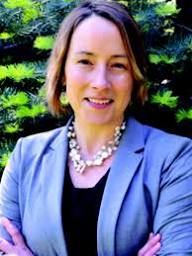
Meg Heckman’s grant will fund archival research at Cornell University’s Division of Rare and Manuscript Collections as she completes research into the women reporters and editors who launched the first medical beats at major U.S. newspapers and magazines during the mid-twentieth century. This research hopes to show how these key women developed the tools and practices that helped the broader public come to understand and trust medical science in the mid-twentieth century.
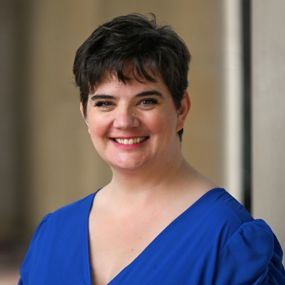
Autumn Linford’s grant will support archival research at State Historical Society of Missouri’s National Women and Media Collection in support of a project focused on gendered history bylines, focusing on debates about bylines for women journalists that occurred between 1880-1920. Turning to personal papers of women who worked in the industry, the project shows that concerns about the ways in which revealing the gender and identity of a newswriter through real-name bylines would increase social and physical dangers faced by women journalists were emerging as early as 1880.
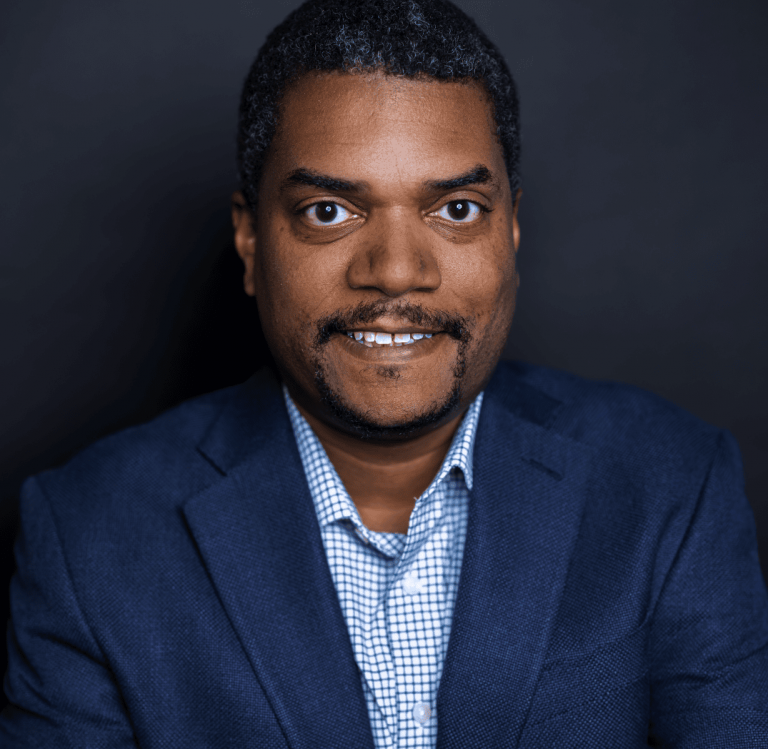
Antoine Haywood’s grant will support research into Florida Photo News, an important an understudied part of community and Black press history in South Florida. The paper, a largely community supported endeavor, has not been archived systematically, and part of Haywood’s research will entail systematically building an inventory of collections and holdings of the paper with the hope of building an archive of the paper in Florida, while also researching what scant holdings of the paper’s final issues, published 2001-2002, reveal about its place in Black press history.
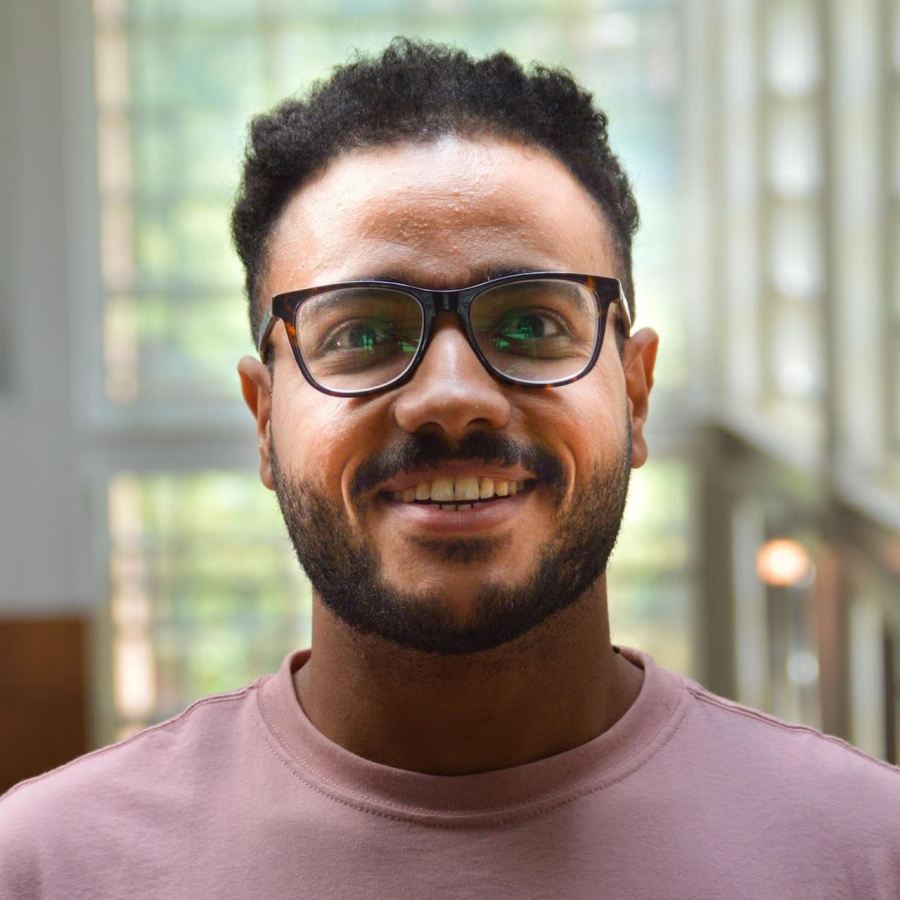
Mohammed Salama’s grant will support computational research into news coverage of the 1919 Red Summer, looking at how newspapers nationally framed a historic outbreak of mob violence against Black communities. Part of a larger project focused on news coverage of lynchings from 1805-1963, the Red Summer was a disjunctive moment where lynchings were no longer rationalized as acts of localized justice in the South, but as national reaction to perceived agitation and Soviet-driven political subversion in America’s Black community. Focusing on a national dataset of newspapers from 1919, this research will use a blend of computational tools to survey the coverage, while using textual analysis to understand how the press covered this outbreak in mob violence during the first Red Scare.

Maria Ortega’s grant will support research into the ways in which the 2023 Lahaina Wildfires in Hawai’i echoed historically rooted logics of Indigenous erasure, settler colonial framing, and racialized narrative hierarchies. Situating the Lahaina coverage within a longer genealogy of U.S. disaster reporting, the project is an inquiry into the construction of public memory around the fires, looking at how sourcing practices, narrative structure, and the treatment of Indigenous knowledge and land shaped the coverage. Funds will support contextual research into Hawai’ian journalism history to understand how coverage of the Lahaina fires reproduced gaps in historical memory.
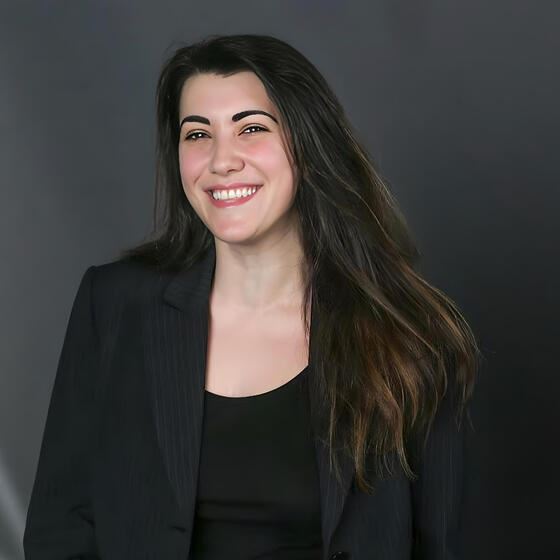
Yelena Dzhanova’s grant will support research into 70 years’ worth of coverage of breastfeeding in the New York Times, focusing on 1,632 articles published between 1932-2010. Looking at recurrent frames, modes of representation, and sourcing, the funding will support digital storage of research materials and the broader content analysis of the coverage, with preliminary research showing that the recurring frames naturalize the idea that breastfeeding is both obligatory and socially risky, and that coverage reveals patterns of symbolic annihilation: bottle-feeding mothers, working mothers, low-income mothers, and women of color appear infrequently or superficially in the reporting.
 Journalism History journal